
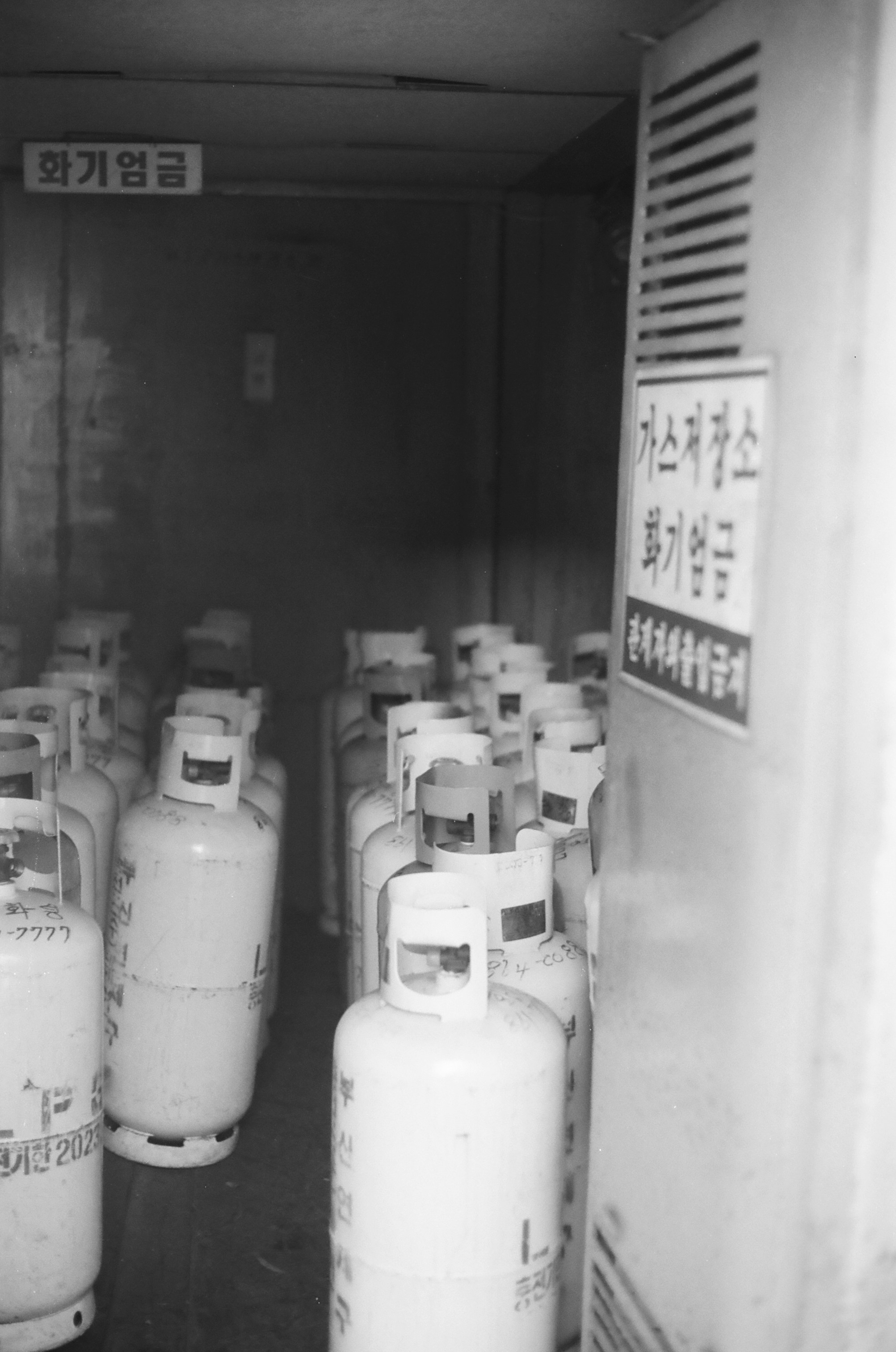
Stock management is where most LPG businesses quietly lose money. Unlike sales errors that are immediately visible, stock mistakes accumulate over weeks and months before anyone notices. By then, the discrepancy is large enough to cause a real financial and operational crisis.
Mistake 1: Not Counting Cylinders Daily
A daily cylinder count takes five minutes and prevents weeks of reconciliation headaches. Many retailers count stock weekly or 'when there's a problem' - by which time the source of the discrepancy is impossible to trace. Make counting part of opening and closing routines, and record it digitally so you have a time-stamped history.
Mistake 2: Treating All LPG as One Category
Cylinders with gas, empty cylinders, cylinders with customers (borrowed), and cylinders in transit have completely different values and statuses. Lumping them together in a single 'cylinders' count makes it impossible to know your true available stock. Each category must be tracked separately.
- Full cylinders: Ready for sale
- Empty cylinders: Awaiting refill
- Cylinders in use: With customers on deposit
- Damaged cylinders: Out of rotation
Mistake 3: Not Recording Cylinder Returns
When a customer returns an empty cylinder, that cylinder needs to be immediately recorded as back in stock. It sounds obvious, but in a busy retail environment, returns get placed in a corner and counted 'later' - by which time nobody knows who returned what. Every cylinder movement, in or out, must be recorded at the moment it happens.
Mistake 4: Over-Ordering to Cover Unknown Gaps
When you don't trust your stock numbers, the natural response is to order more than you need 'just in case'. This ties up working capital in inventory you don't need and creates storage problems. Accurate daily stock counts let you order with confidence based on real consumption data, not guesswork.
Mistake 5: No Alert for Minimum Stock Levels
Running out of 12kg cylinders on a busy Friday afternoon is an entirely avoidable problem. Set a minimum stock alert for each product - when you hit that threshold, the system reminds you to reorder. It's simple, mechanical, and saves you from losing sales due to avoidable stockouts.
Simple rule
Set your minimum stock alert at 3 days of average sales. If you typically sell 20 cylinders per day, alert at 60 units.
The Common Thread
All five mistakes share the same root cause: no real-time, reliable record of what stock exists and where it is. A digital stock management system doesn't just make tracking easier - it makes accurate tracking the only option, because every movement requires a record.